Treating And Managing Peripheral Artery Disease
Peripheral Artery Disease, or PAD is a common disease of the arteries. PAD affects more than 12 million adults in the United States, and the true number is likely higher because many people have no symptoms and are never diagnosed.
Since peripheral arterial disease increases the risk of heart attacks and strokes, both of which can be fatal, it is often asked - is peripheral artery disease a death sentence?
In the case of advanced stages, you may need to take medications or undergo surgery to improve the condition. PAD is serious, but it is not a death sentence. PAD is a warning sign that the same plaque buildup is affecting arteries elsewhere in the body, which is why treating it properly matters so much.
Risk Factors Of PAD
Multiple factors can put you at a higher risk of peripheral artery disease. These include:
PAD Symptoms
PAD presents with a range of symptoms, which differ in each case. A few common symptoms include:
If you have any of these symptoms, especially with a risk factor for PAD, you should consult a peripheral artery disease specialist immediately to seek proper diagnosis and peripheral artery treatment.
Diagnosing PAD
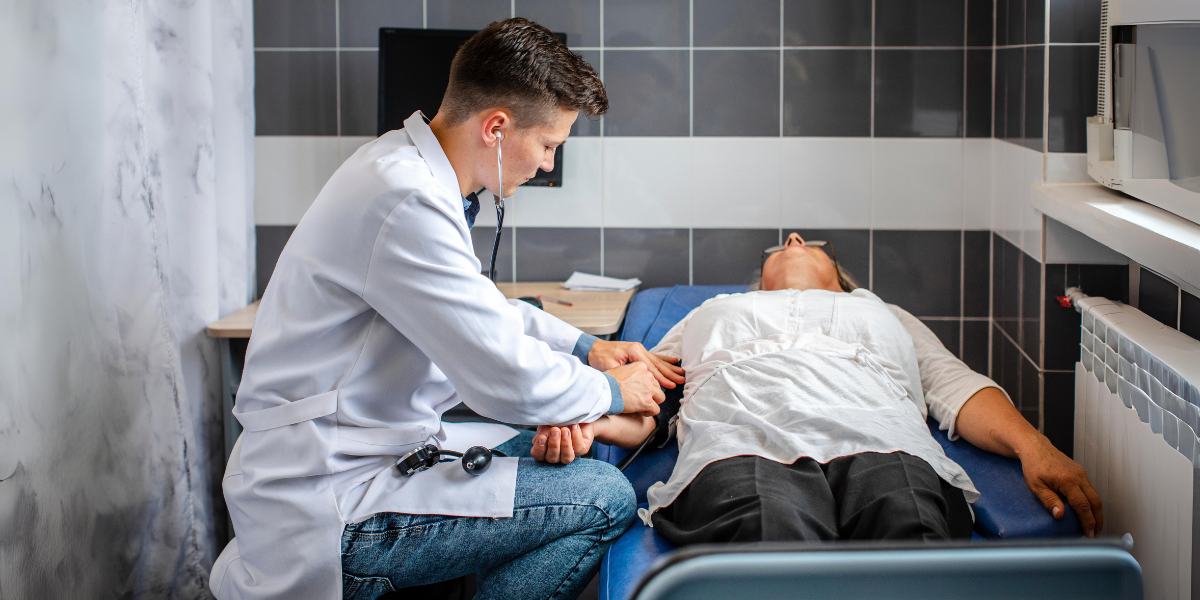
Your doctor will begin with a physical exam to diagnose peripheral artery disease . This includes checking for pulse in the extremities and measuring your blood pressure. Other tests for diagnosing PAD include leg angiography, doppler ultrasound, and CT angiography.
Can Peripheral Artery Disease Cause Death?
PAD is treatable, but the increased risk of heart attack and stroke applies to everyone with the condition, not only to advanced cases. PAD is a sign of atherosclerosis throughout the body. That is why treatment focuses on protecting the heart and brain, not just the legs.
Based on the symptoms, tests, occurrence, and severity, your healthcare practitioner will suggest a suitable peripheral artery treatment . Generally, the following methods are used:
Lifestyle Changes
If you are at risk of peripheral artery disease or the disorder is in its early stages, a few lifestyle changes can help you manage and prevent the disease. These include:
Medications
Medications are generally given to help manage the risk factors and symptoms associated with peripheral artery disease.
Surgery
Complications Associated With PAD
Peripheral Artery Disease affects more than 230 million people worldwide. Besides causing symptoms like pain and numbness, this common problem can also lead to various complications due to decreased blood flow.
Apart from putting you at a greater risk of heart attack and stroke, the following are a few complications commonly associated with PAD:
Amputation:
If your PAD is associated with diabetes and is left untreated, the impaired blood flow can lead to slow or non-healing ulcers, which can get easily affected. Another possibility is the development of gangrene. These conditions can eventually lead to the need for amputation.
Impaired Healing:
Since PAD slows down the blood flow, it prevents your extremities from healing normally. Therefore, it is advised to seek special care for any injuries and ulcers, especially in your leg, if you are a PAD patient.
Lower Quality Of Life:
The different symptoms associated with PAD, especially pain, can limit a patient’s mobility, disturbing their daily routine and therefore lowering the quality of life.
Frequently Asked Questions
Is peripheral artery disease a death sentence?
No. PAD is serious, but it is not a death sentence. Most people with early or stable PAD live a normal lifespan when the condition is treated. PAD is a warning sign that plaque is building up throughout the body, so the main risk is a raised chance of heart attack and stroke.
What is the main test for PAD?
The ankle-brachial index, or ABI. It compares the blood pressure at your ankle with the blood pressure in your arm. It is quick and painless. National guidelines recommend a resting ABI as the first step in confirming PAD.
Can peripheral artery disease be reversed?
Existing plaque cannot be removed by lifestyle changes alone, but PAD can be slowed and stabilised. Quitting smoking, statin therapy, blood pressure control and regular walking all help, and many people find their walking distance improves.
When should I see a doctor about leg pain?
See a doctor if you get cramping in the calf or thigh when walking that eases with rest, sores on the feet that will not heal, or one leg that is cold or pale. If a leg suddenly becomes cold, numb or severely painful, seek emergency care.
We Can Help Manage Your PAD
At Advanced Medical Group , our experts can provide a quick diagnosis and an effective treatment plan for peripheral artery disease. Our doctors build a treatment plan around your stage of PAD and your other risk factors, with the goal of relieving symptoms, protecting your legs, and lowering your risk of heart attack and stroke.